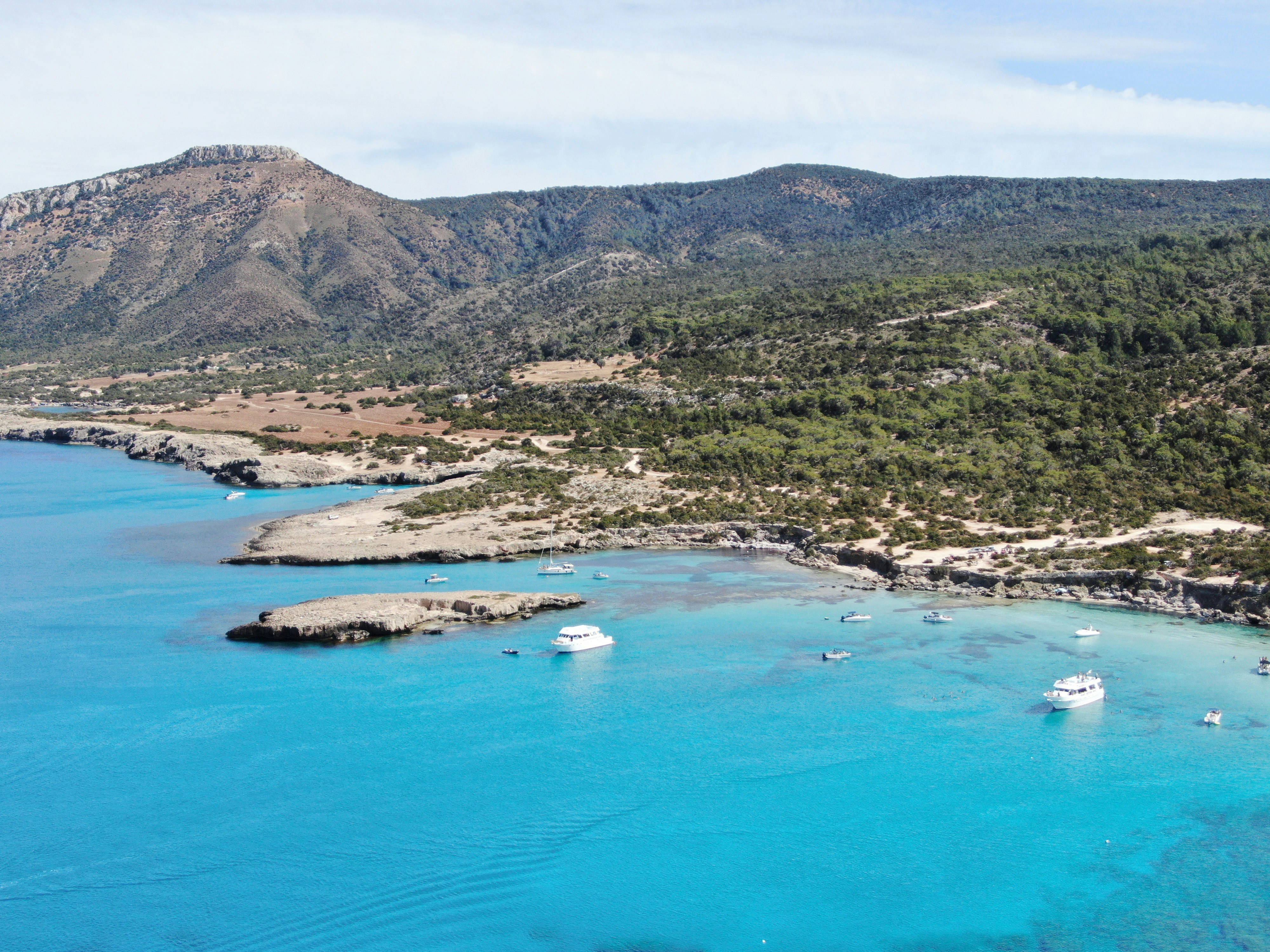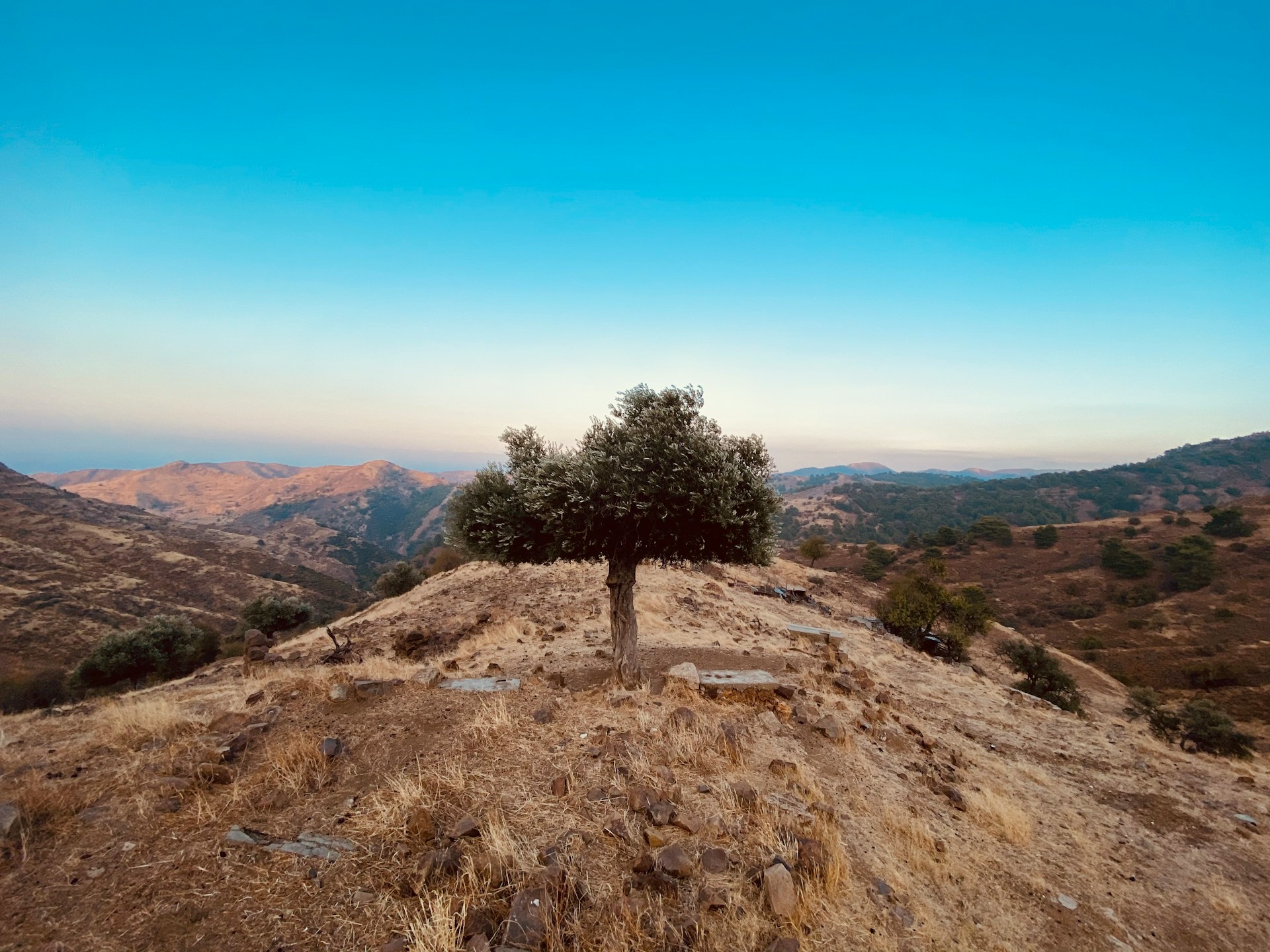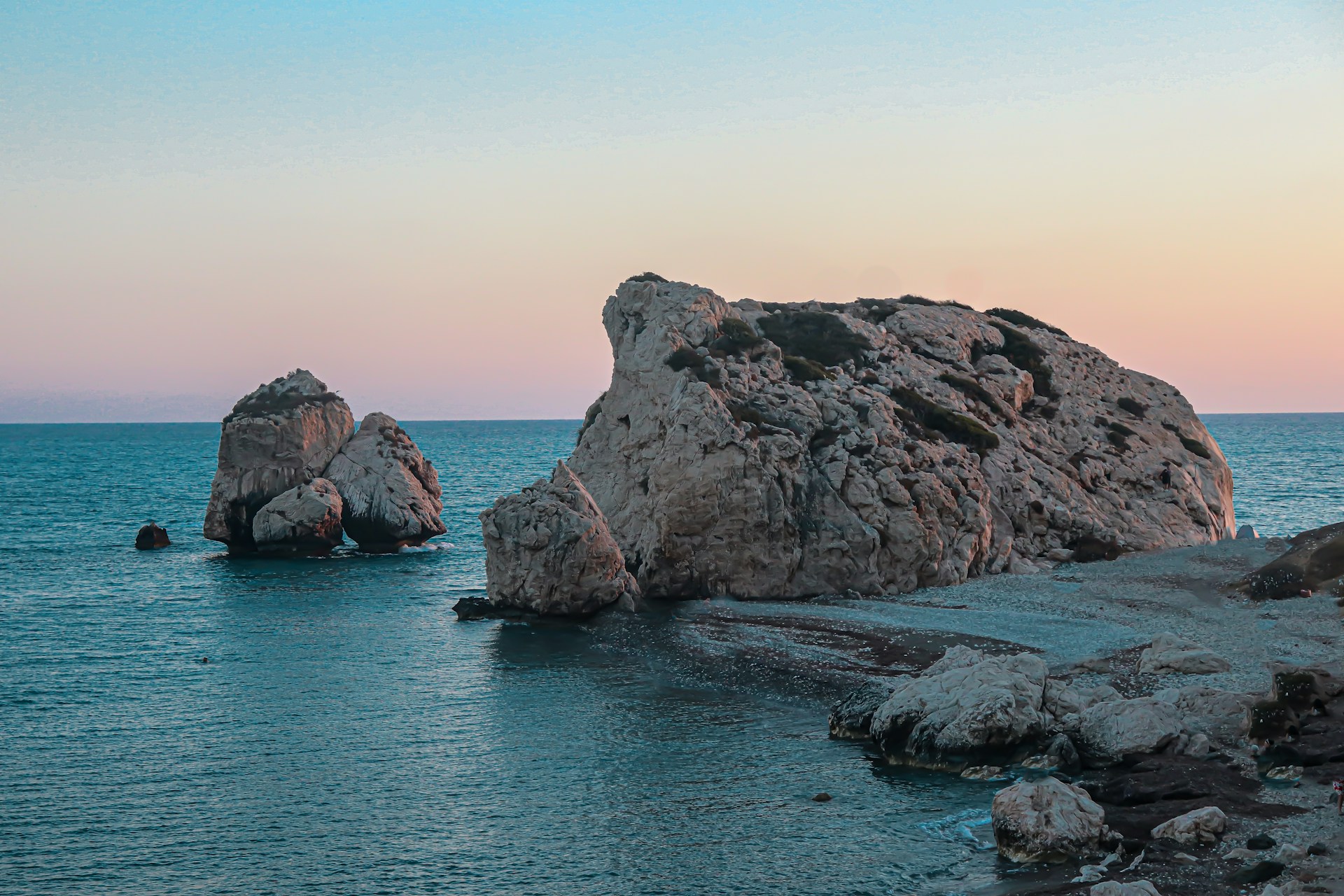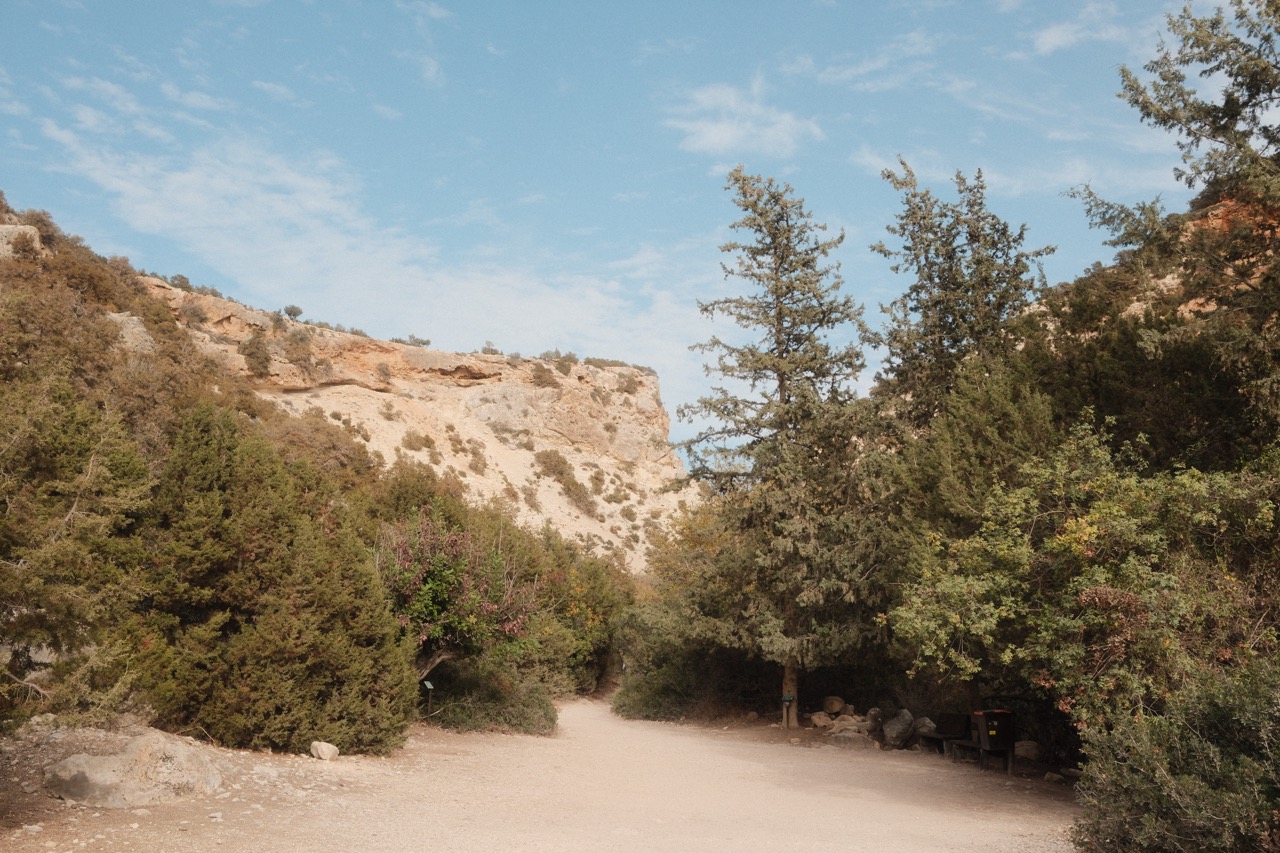




Avakas Gorge is one of Cyprus’s most striking natural formations, a narrow limestone canyon that cuts through the western landscape with dramatic flair. Accessible from Coral Bay in under 30 minutes, it rewards those willing to navigate its rock-strewn floor with towering walls, fern-draped cliffs, and a sense of remoteness that feels worlds away from the coast.
This guide covers three complementary experiences in the Avakas area: the main gorge hike itself, a coastal approach via Toxeftra Beach, and the gentler Smigies Nature Trail nearby. Whether you’re seeking adventure or a more moderate walk, the region offers something for different energy levels and interests.
Spot 01
The Avakas Gorge Main Trail
A narrow canyon walk through 30-metre limestone cliffs, where rock scrambling and seasonal wading create a memorable encounter with raw geology.
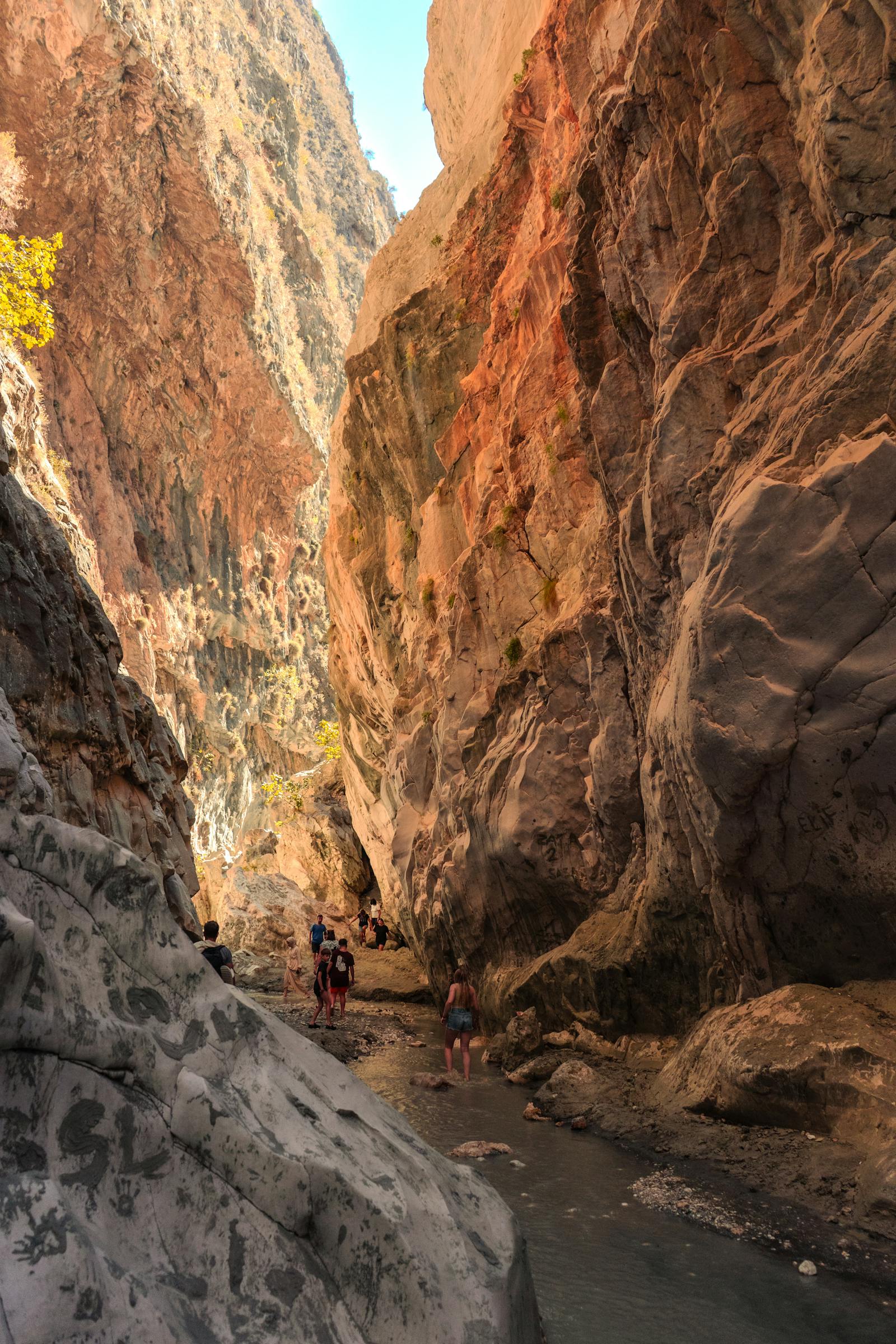
[tags]Sept–Oct, Mar–May / 2–2.5 hours one way / Moderate to challenging
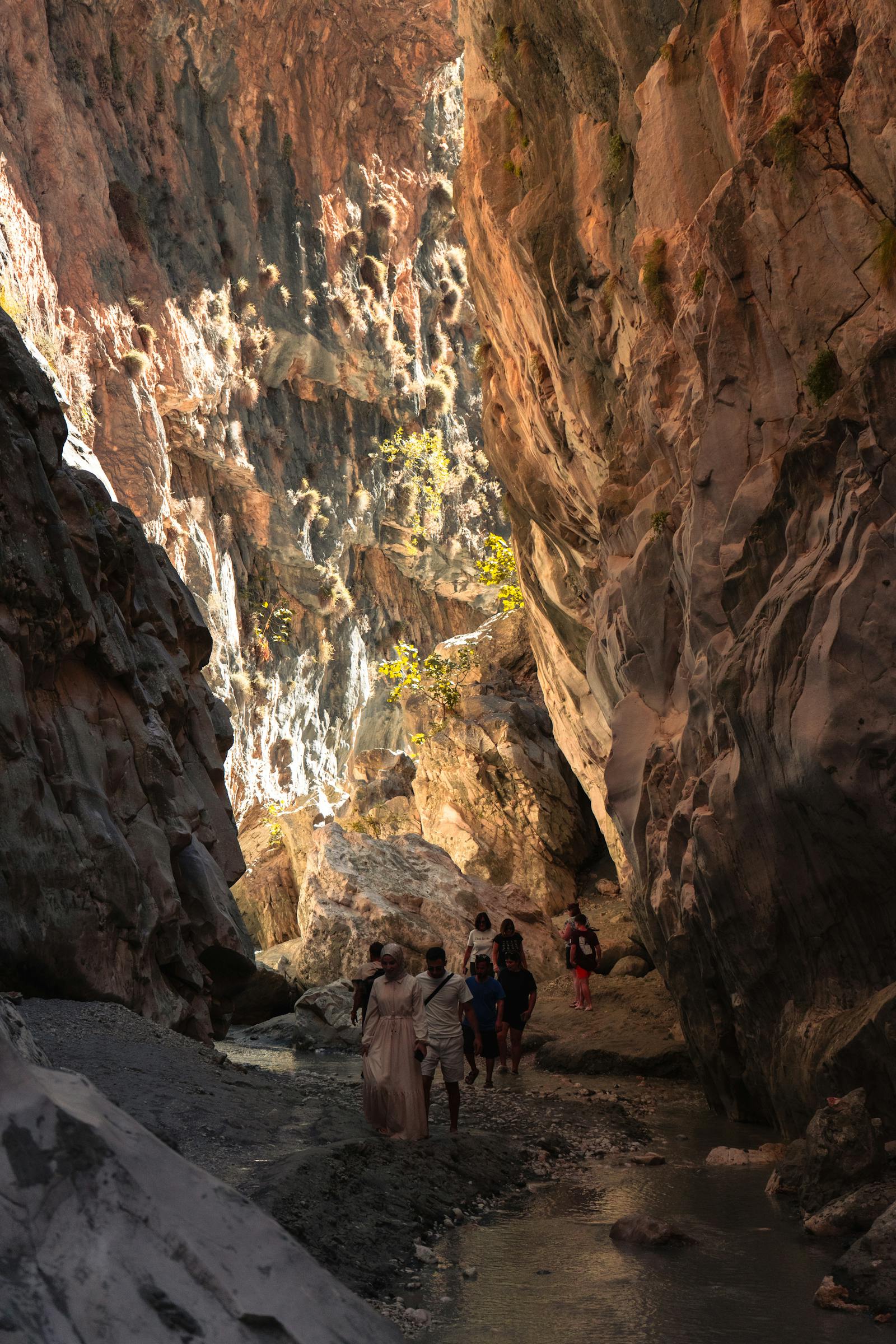
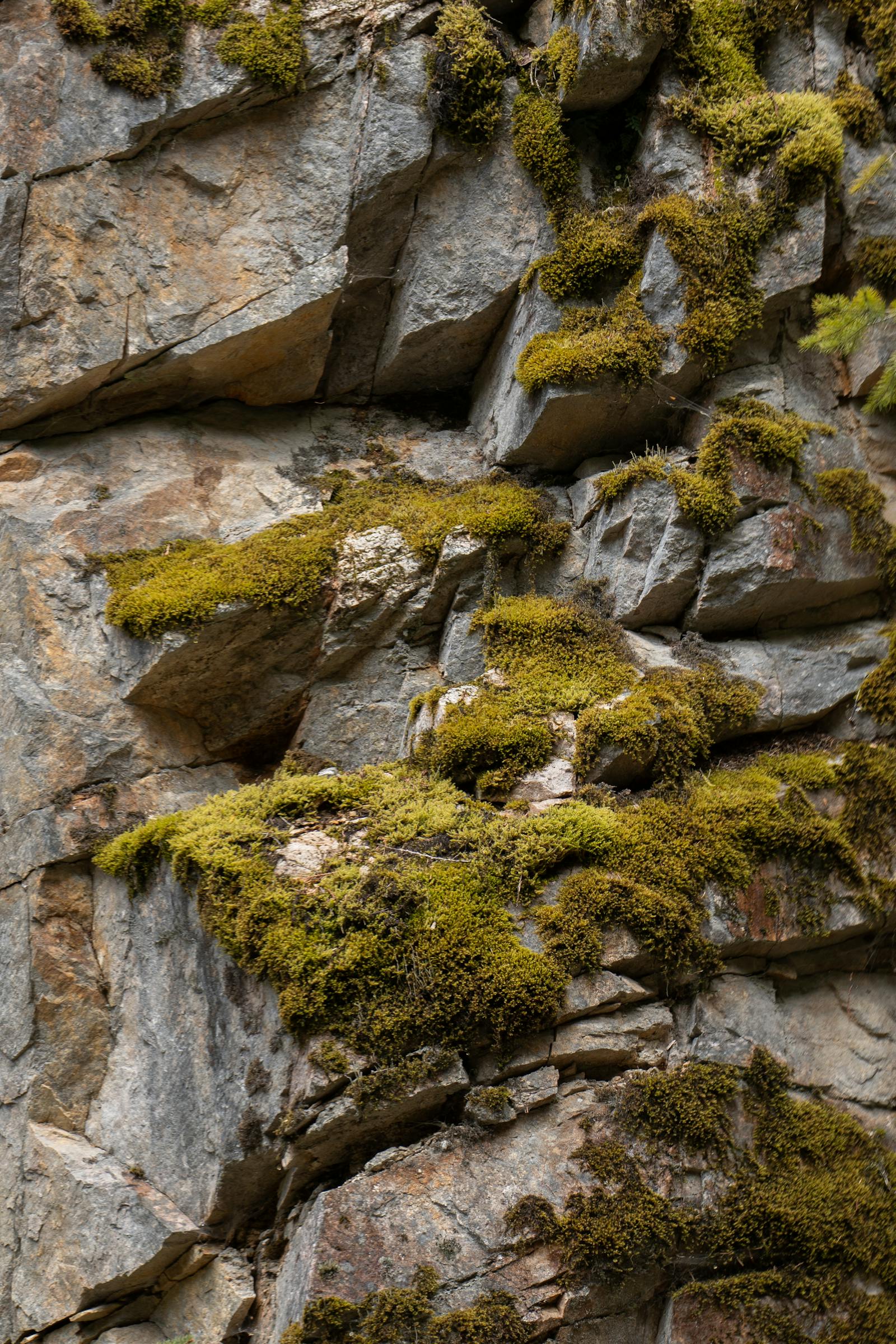
The gorge narrows to just 4–5 metres at points, with limestone walls rising 30 metres on either side. The floor is a mix of smooth rock, loose stones, and occasional pools depending on season. Ferns cling to the shadowed walls, and the interplay of light creates the kind of landscape that draws you deeper with each turn. The walk follows a natural canyon bottom with no marked path—you’re reading the terrain and choosing your route, which adds genuine adventure to the experience.
The rock scrambling is moderate but requires decent fitness and sure-footedness. Spring brings snowmelt and occasional wading, adding an extra element; by summer, the gorge is bone-dry but the heat can be intense. The dramatic geology—sharp limestone formations, natural alcoves, the sound of your footsteps echoing—makes this feel less like a standard hike and more like exploring a hidden world.
Good to know
- Wear sturdy hiking boots with ankle support — the gorge floor is loose rock and uneven boulders.
- Carry at least 2 litres of water per person; there are no water sources or facilities inside the gorge.
- Start early in the morning (before 09:00) to avoid midday heat and secure parking at the trailhead.
Spot 02
Toxeftra Beach & Coastal Approach
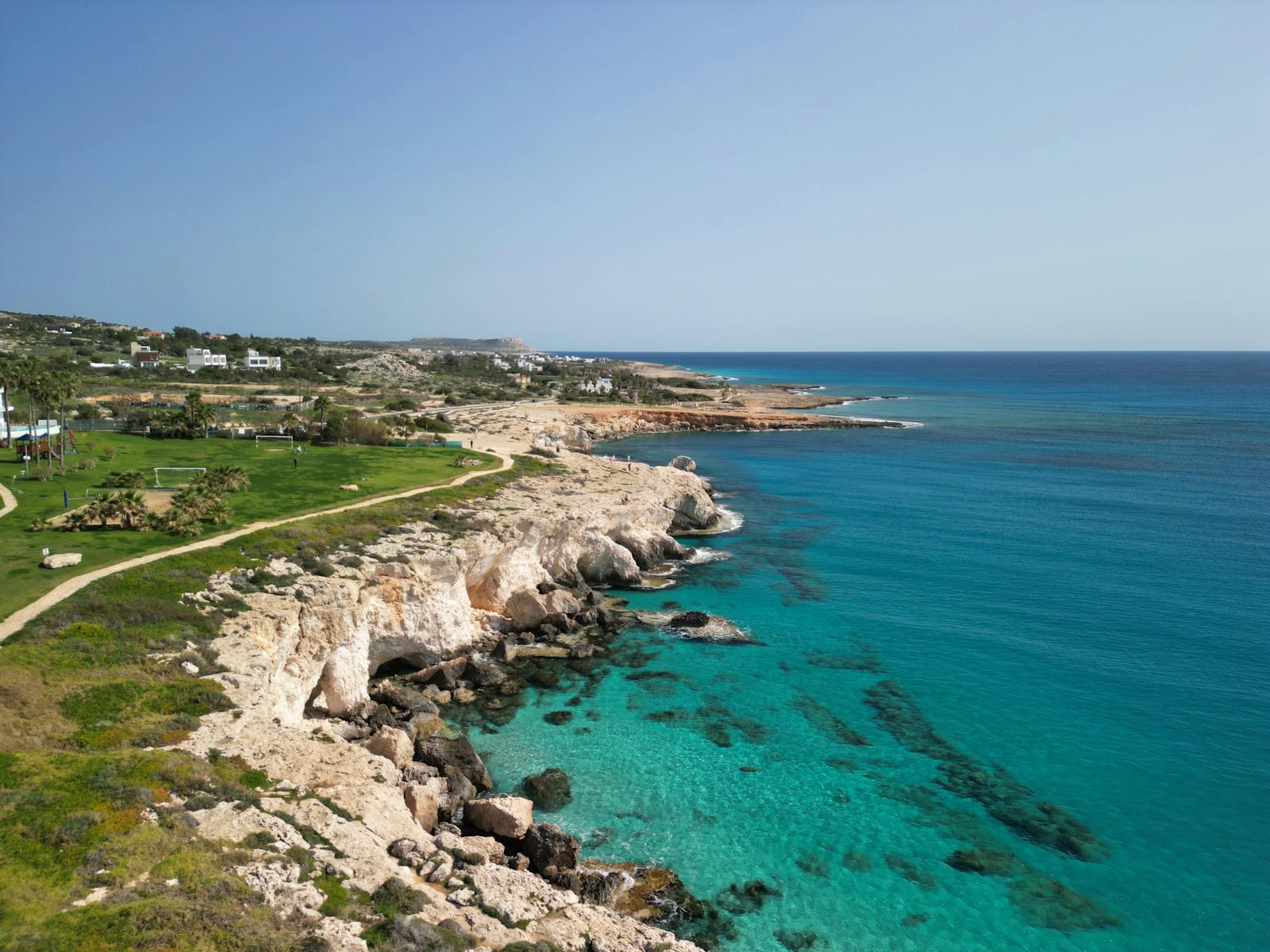
Combine a quiet coastal walk with gorge entry, starting from a largely undeveloped golden-sand beach that few tourists know about.
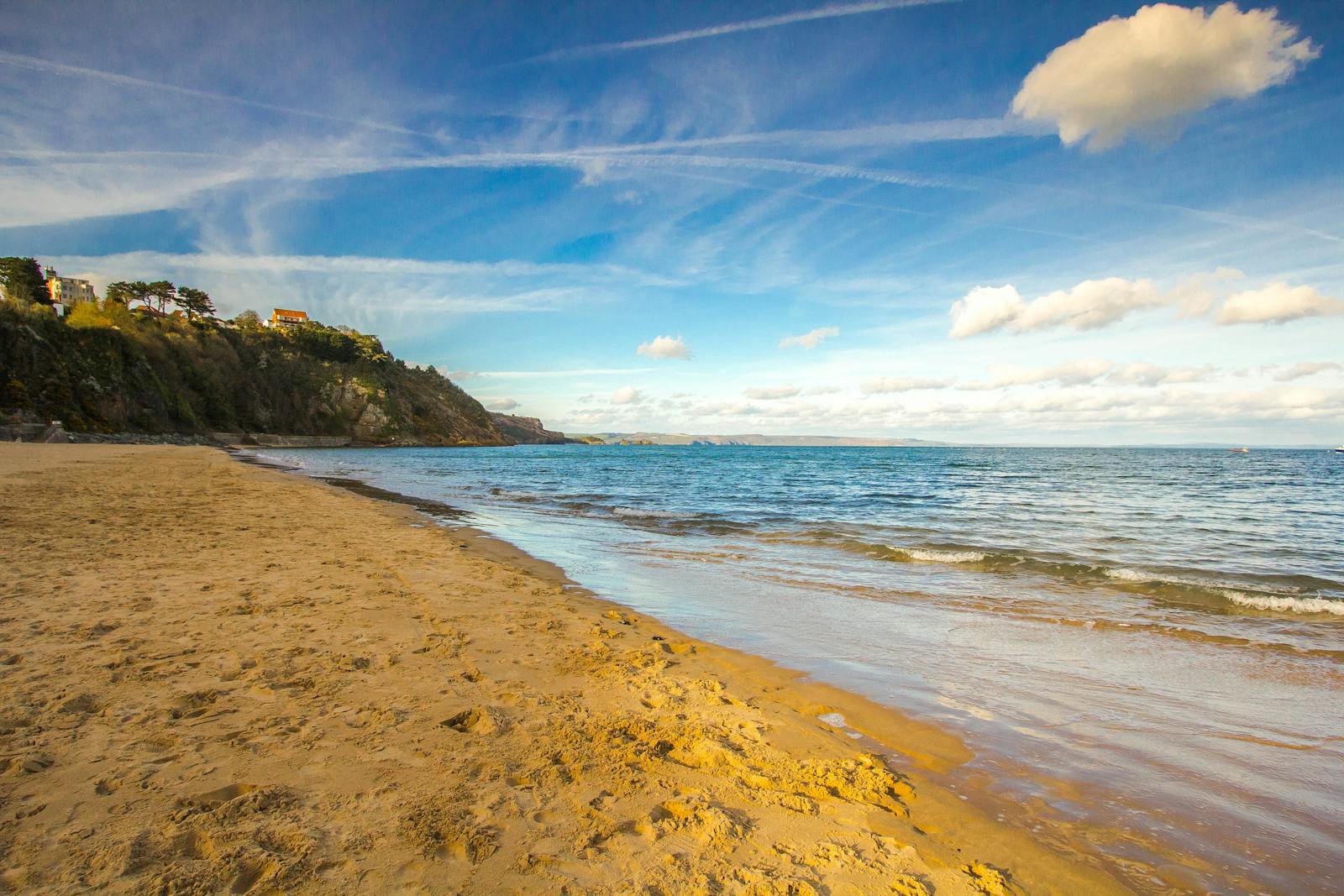
[tags]Sept–Oct, Mar–May / 30–45 min walk to gorge entrance / Easy to moderate
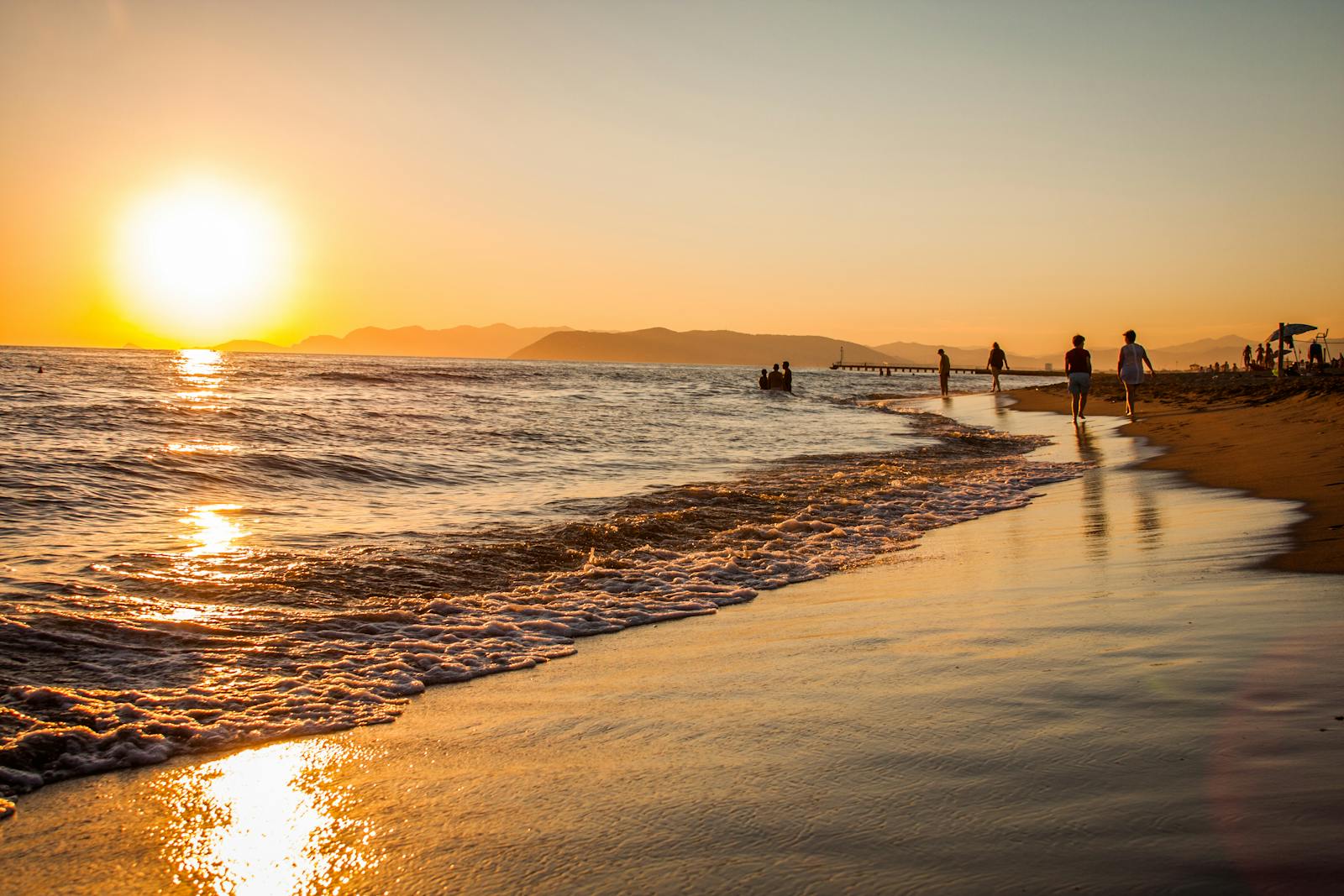
Toxeftra Beach stretches with golden sand and scattered pebbles, and on most days, you’ll have it almost to yourself. The beach access is free and undeveloped, which is precisely why it feels so peaceful. A coastal walk of 1.5–2 kilometres takes you from the beach towards the gorge entrance, following the shore and low cliffs. The rhythm of the sea on one side and the geology of the land on the other creates a gentler introduction to the area than the main gorge trail alone.
This approach works well if you want to combine swimming and relaxation with hiking, or if you prefer a less intense entry point into the gorge itself. The beach to gorge connection allows you to experience the landscape in stages and enjoy the coastal character of the region. The walk is straightforward but unshaded, so sun protection matters.
Good to know
- No shade on the coastal walk — bring a hat, sunscreen, and plenty of water.
- The beach is undeveloped with no lifeguard, sunbed hire, or facilities; bring everything you need.
- The last 2 km to the beach is unpaved road; a standard rental car handles it fine in dry conditions.
Spot 03
Smigies Nature Trail
A gentler 6.4-kilometre loop through Mediterranean woodland and pine forest, with panoramic views and family-friendly terrain.
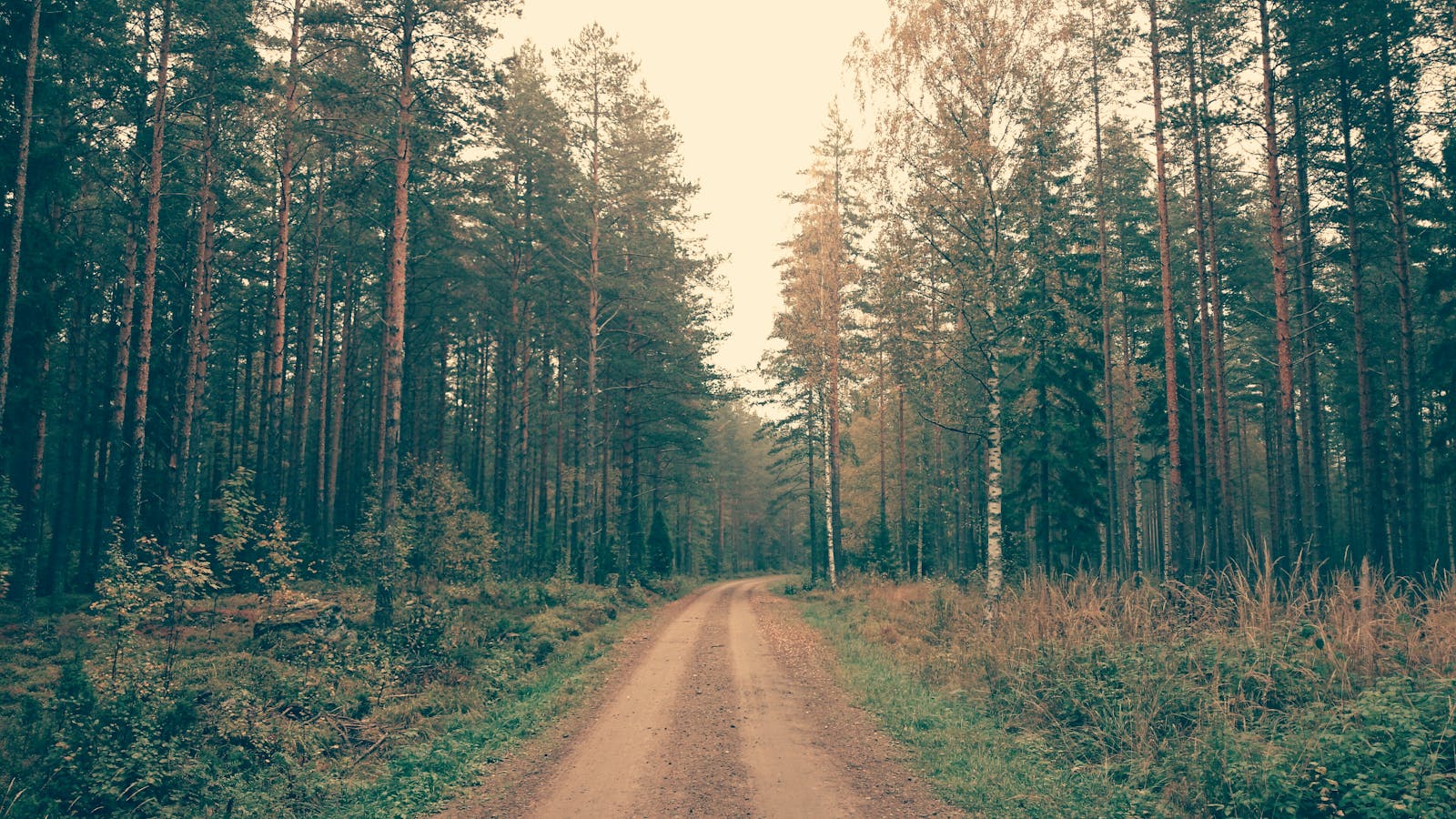
[tags]Oct–May / 2–2.5 hours / Easy to moderate
Located near Neo Chorio, about 28 minutes from Coral Bay, the Smigies loop offers a different kind of walk. You’ll move through Mediterranean scrubland and pine forest on a more defined trail than the gorge, with broad vistas over Lara Bay and the western coastline. The terrain is rolling rather than technical, and the path is easier to follow. Picnic facilities at the trailhead add convenience if you want to make a longer day of it.
This trail is ideal if you want variety in your time around Avakas, prefer a less physically demanding hike, or are with family members who might find the gorge scrambling too challenging. The forest provides decent shade, and on clearer days, the views alone justify the walk. Mobile reception is good here, if that matters to your sense of being away.
Good to know
- The trailhead has picnic tables and parking — a good place to regroup before or after the walk.
- Mobile reception is reliable along most of the trail, unlike inside the gorge.
- The trail is waymarked with nature signs — harder to get lost than the gorge, but download an offline map just in case.
Plan & practicalities
[plan]
Options
You can do the main Avakas Gorge hike as a standalone day trip, or combine it with Toxeftra Beach for a beach-and-gorge experience. The Smigies loop works well as a separate outing or a less demanding alternative if time or energy is limited. Many visitors do all three over multiple days, since they’re close enough to mix and match without excessive driving.
[/plan]
[plan]
When to go
September through October and March through May are ideal. Spring brings water in the gorge and lush growth; autumn offers similar conditions with warm but not oppressive heat. Winter is wet and flood-risk is real in the gorge; avoid entirely. Summer is too hot for comfortable day hiking, and the gorge becomes a furnace. Aim for morning starts in shoulder seasons to maximise shade and minimise midday heat.
[/plan]
[plan]
Etiquette & safety
The gorge and surrounding areas are not actively managed attractions, so respect the landscape by taking all rubbish with you. Stay alert to weather: spring storms can raise water levels quickly, and the canyon is not a place to be caught in heavy rain. Tell someone where you’re going and when you expect to return. Sturdy hiking boots are essential—the rocky terrain demands good ankle support and grip. If you’re hiking alone, be extra cautious on scrambling sections; a fall in the gorge means getting yourself out without immediate help.
[/plan]
[plan]
What to bring
Water is critical: carry at least 2 litres per person. Sun protection (hat, sunscreen, sunglasses) is non-negotiable. Bring a lightweight layer—the gorge can feel cool despite outside temperatures. Proper hiking boots, not trainers, protect your feet on sharp rock. A basic first-aid kit is sensible for scrapes. Snacks with protein and carbs sustain energy over 2–2.5 hours. If visiting Toxeftra Beach, add a swimsuit and towel. The light in the gorge is often dim, but a headtorch is optional unless you’re planning a longer stay.
[/plan]
Suggested day plan
Start from Coral Bay early in the morning, aiming to reach the gorge trailhead by 08:30 or 09:00. Pack your vehicle with water, snacks, and everything you’ll need—there’s no opportunity to refill during the hike. Spend 2–2.5 hours exploring the gorge at whatever pace feels comfortable, taking time to appreciate the formations and light. Back at the trailhead by midday, drive to Pegeia village (8 kilometres away) for a late lunch at a local taverna. If energy permits, visit Smigies for an easier afternoon loop through the woodland. Alternatively, if you’ve entered via Toxeftra Beach, spend the afternoon swimming and resting on the sand. Return to Coral Bay by evening with the satisfaction of having experienced one of western Cyprus’s most distinctive landscapes.