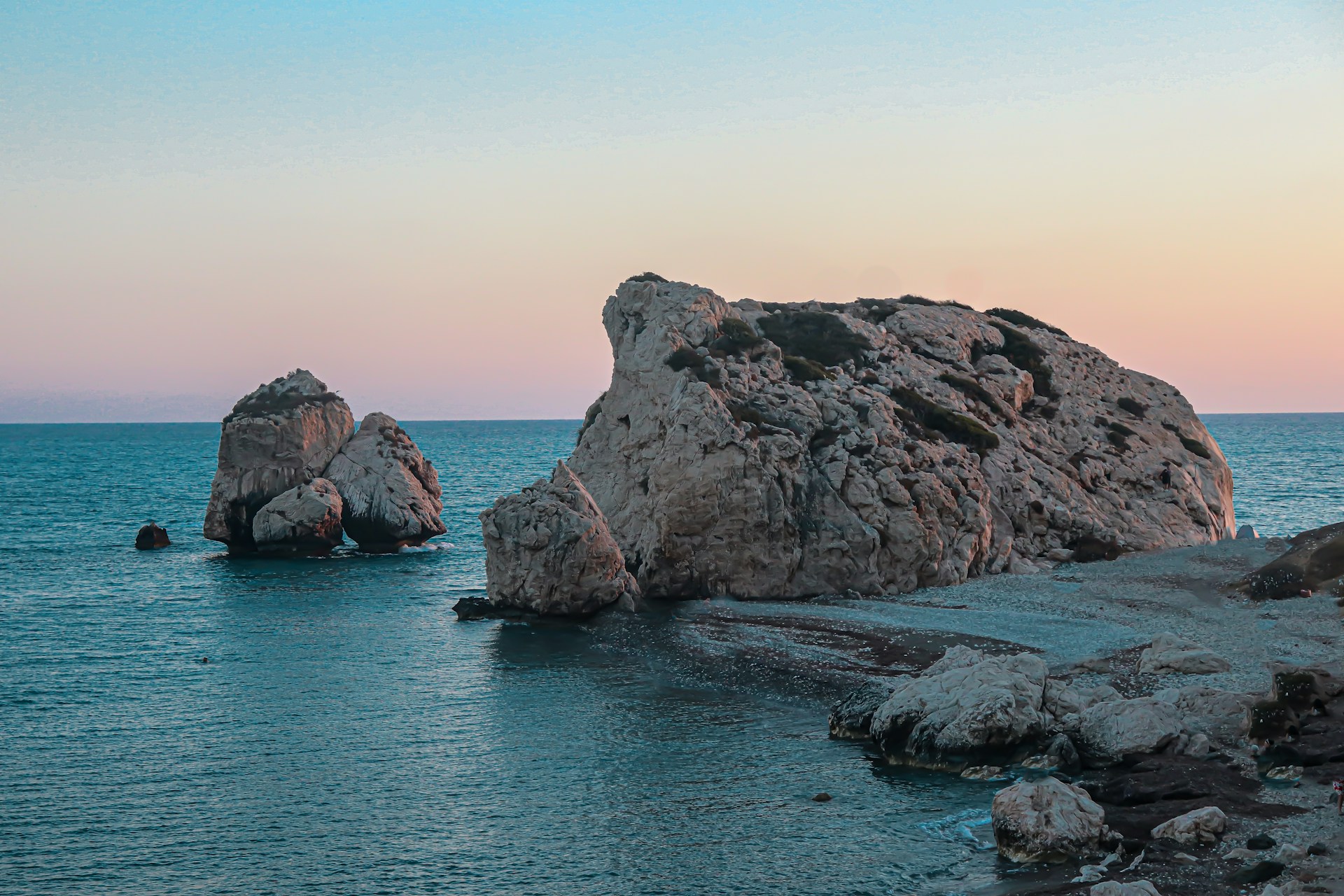


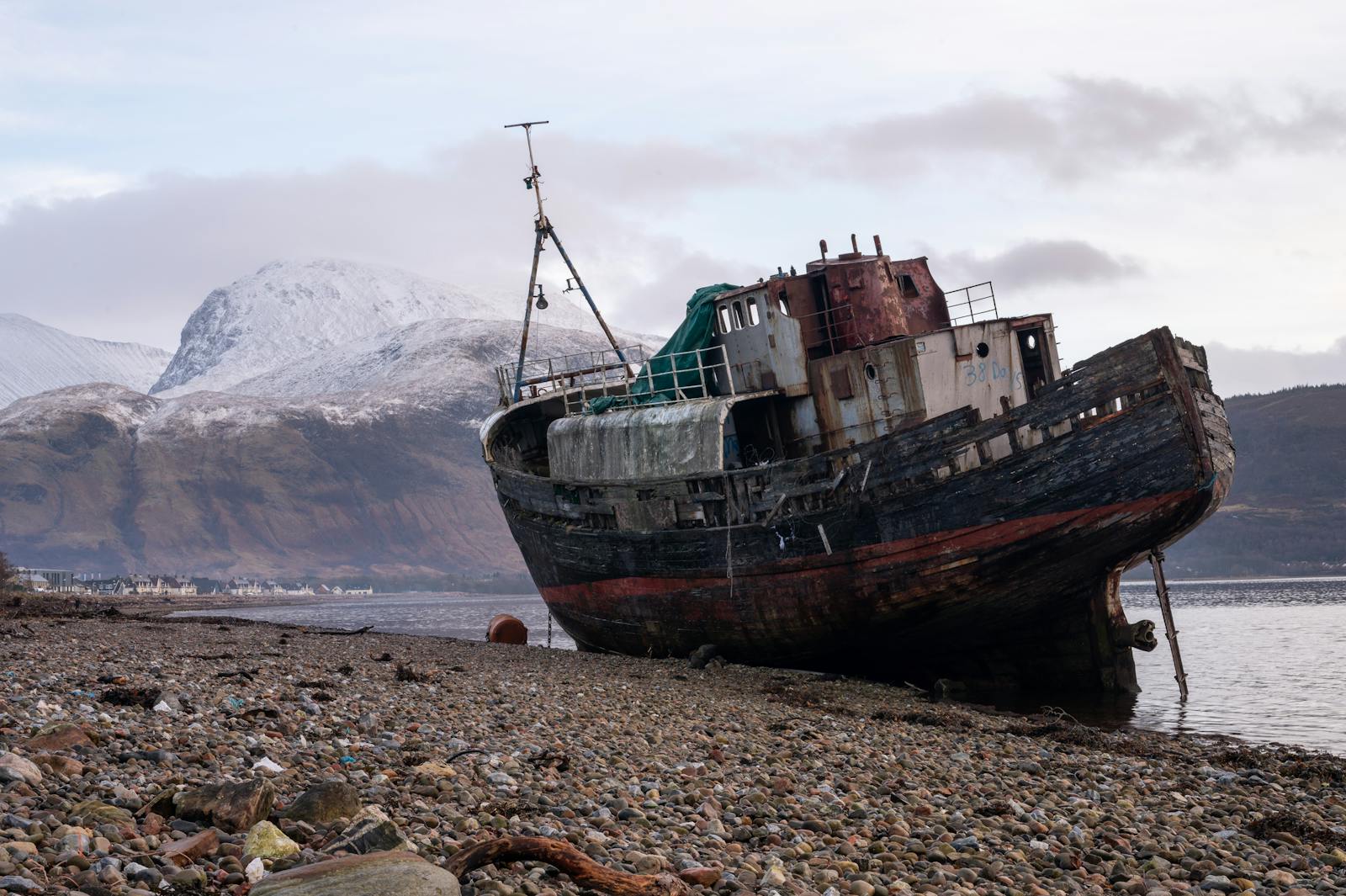
The EDRO III has rested against the limestone cliffs west of Peyia since December 2011, a rusting testament to the Paphos coast’s dramatic geology and unpredictable waters. What began as a salvage emergency has become one of Cyprus’s most compelling sunset destinations—a place where industrial decay and natural beauty collide in ways that shift with the light. The wreck draws photographers, couples seeking solitude, and curious travellers drawn to the story of a ship that refused to sink into the deep.
This stretch of coast rewards patience. Whether you arrive by foot along the cliff path, by boat from Coral Bay, or simply for a brief sunset vigil at the viewpoint, the EDRO III reveals itself gradually—first as a dark silhouette, then as texture, rust, and the full weight of its isolation. The surrounding Sea Caves and turquoise water complete a landscape that feels both intimate and vast.

Spot 01
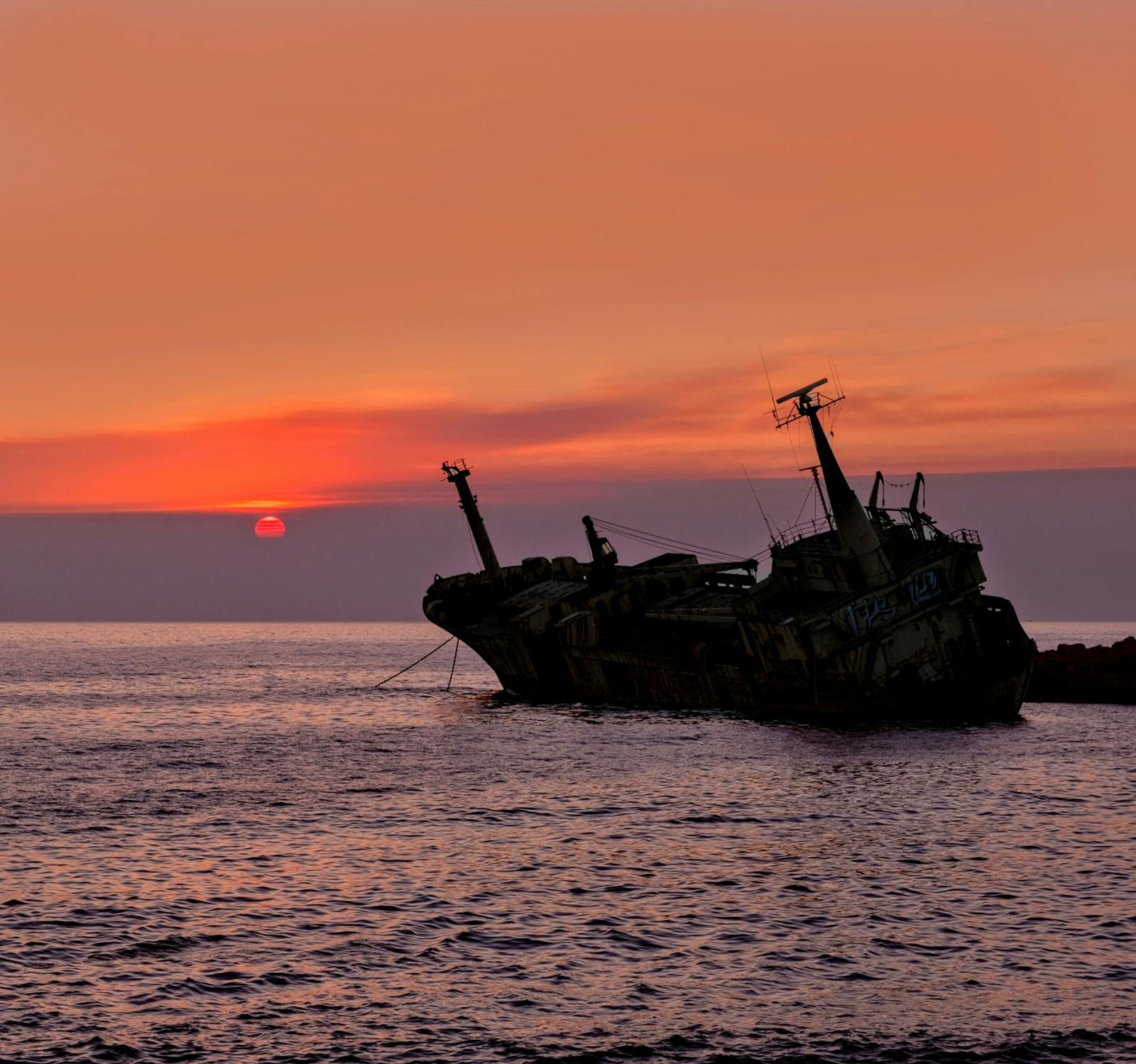
EDRO III Shipwreck Viewpoint
Glykou Neriou Street, Pegeia, 7 min from Coral Bay. A cargo ship run aground in 2011, now wedged against limestone cliffs.
[tags]May–Oct/1–2 h/Easy
The walk from the dirt parking area takes less than five minutes—100 metres of rocky path that opens suddenly onto a cliff edge where the EDRO III dominates the view. The bow is the most photogenic angle, rust-orange in late afternoon light, with the hull’s deep gouges and impact scars visible even from a distance. The ship sits at an angle against the rocks, its stern higher than the bow, creating a visual tension that feels as dramatic as the moment it ran aground. Stand here long enough and the scale becomes apparent: a vessel designed to carry cargo across seas, now permanently grounded, surrounded by turquoise water that looks almost inviting in contrast to the industrial ruin.
The cliff edge itself is windswept and exposed—the Mediterranean air moves constantly here, carrying the mineral smell of salt and eroded limestone. A few informal barrier stones mark the edge, placed by locals and visitors to create a subtle boundary. The viewpoint draws photographers from dawn onwards, but the light transforms completely in the final hour before sunset. At that moment, when the sun is 20 to 30 minutes from the horizon, the bow glows with a rust-orange intensity that no other time of day produces. The rocky coastline south and north stretches into blue haze, and the caves that puncture the cliffs begin to show themselves as dark, mysterious openings. This is the hour when casual visitors often arrive, drawn by the word-of-mouth reputation that precedes this place.
Good to know
- Park at the small dirt lot 200m past Oniro by the Sea restaurant—free, with space for about 10 cars. The restaurant staff are used to visitors and can point you toward the pathway if you ask.
- The wreck is best photographed 20–30 minutes before sunset when the light hits the bow at a low angle, turning the rust and metal texture into something almost luminous.
- Bring a light windbreaker—the cliff edge catches constant Mediterranean wind that feels noticeably cooler than sheltered Peyia village, even on warm afternoons.
Spot 02
Sea Caves Coastal Walk
1.2 km south of the EDRO III viewpoint along the Pegeia cliffs. A rocky coastal path along limestone with cave openings, nesting seabirds, and dramatic sunset views.
[tags]Sep–May/1.5–3 h/Moderate
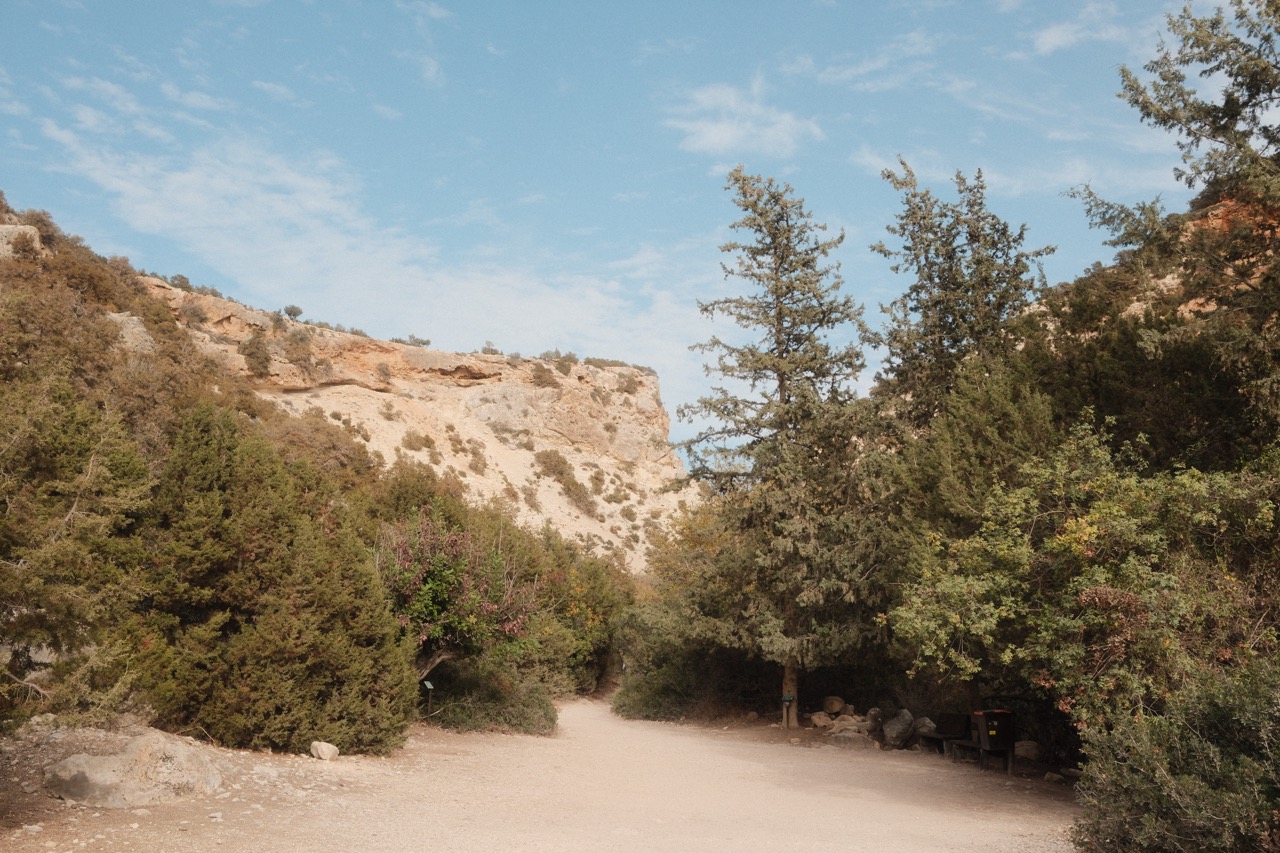
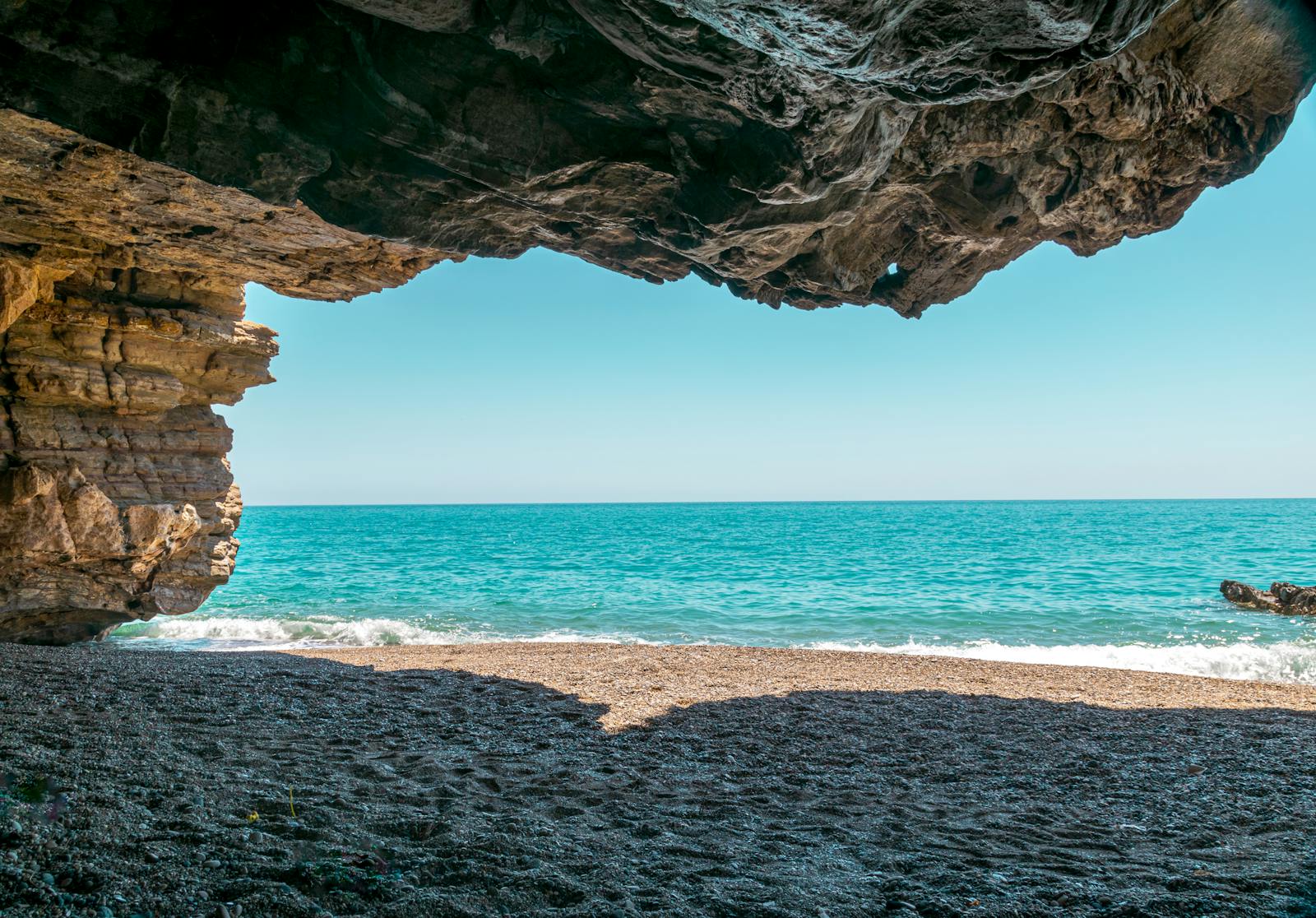
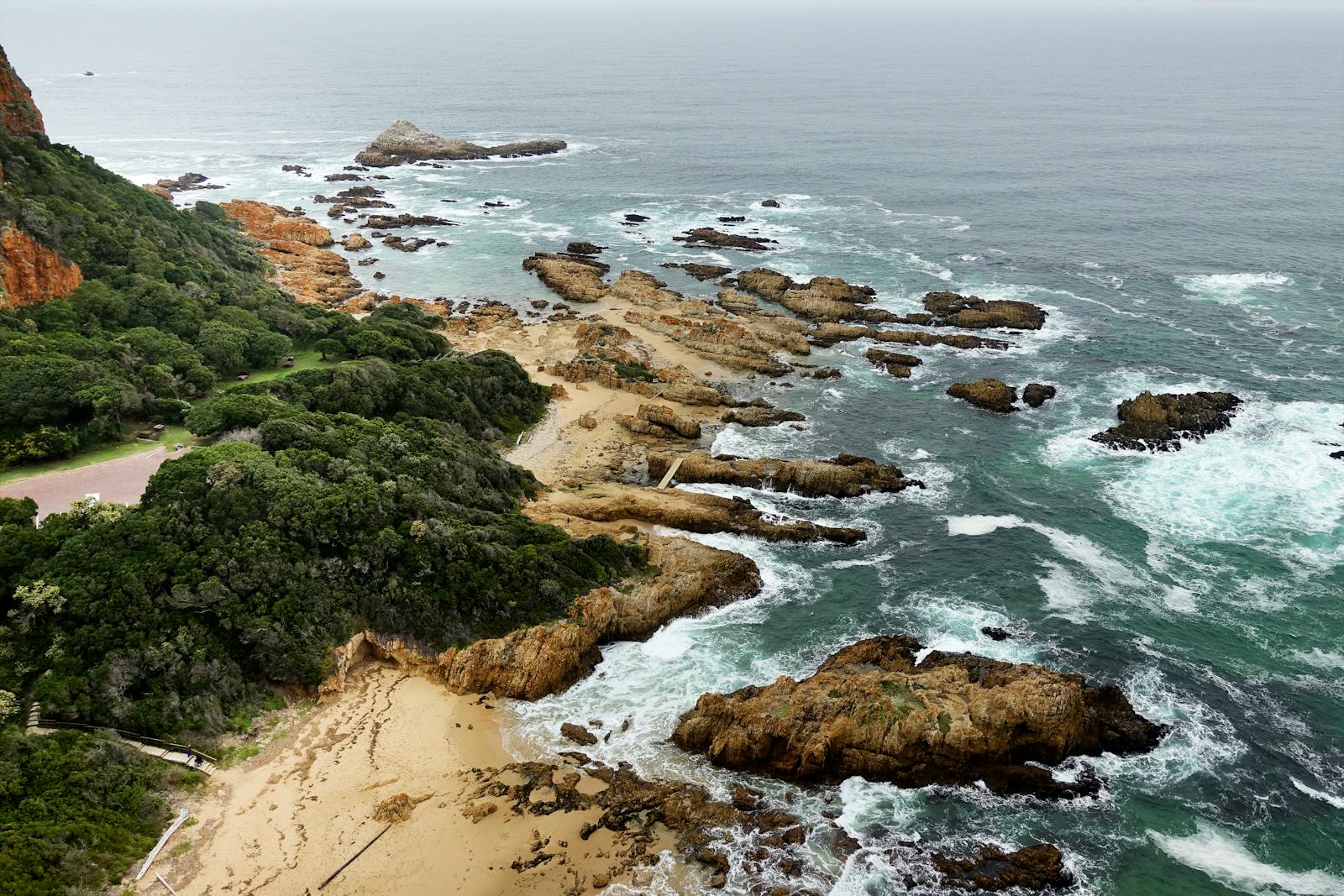
Walking south from the EDRO III viewpoint, the path narrows and the landscape becomes more intimate. The limestone underfoot transitions from fine dust to broken scree—sharp, loose fragments that require attention with each step. The cliff edge remains visible on your left, but vegetation begins to appear: sea-adapted wildflowers in spring, tough shrubs that cling to impossible angles. After 500 metres, the first cave openings appear in the cliff face itself, small dark mouths that become larger and more complex as you continue south. The seabirds here respond to your presence—shearwaters, cormorants, and smaller species nest in cliff faces and launch themselves toward the water with almost balletic precision. The air carries their calls constantly, a living soundtrack to the walk.
The main cave area, reached after another 700 metres, is where the walk transforms. The caves are not deep but their entrances are high and wide, creating chambers that catch the sound of waves and amplify them into something almost orchestral. In late afternoon, when the sun reaches the cave entrances, the reflected light turns the cave walls a soft golden-grey. The sea below is visible from multiple vantage points, turquoise and deceptively calm-looking from this height. This is a place that rewards sitting still for 20 minutes, watching the light change and the water respond to wind you can feel but not see clearly from below. Many visitors walk this stretch after sunset, using headlamps or phone lights—a different experience entirely, where the caves become black silhouettes and the sound of waves dominates completely.
Good to know
- Start from the EDRO III end and walk south—this keeps the wreck visible in your distance views and saves the dramatic cave finale for the end of your walk, creating a natural sense of arrival.
- Wear proper hiking boots, not sneakers—the path has loose limestone scree that shifts underfoot and can twist ankles easily. The rock is also sharp enough to puncture thin soles.
- Time your walk to arrive at the cave entrance by 4 pm in winter or 5 pm in summer for the best reflected sunset light inside the caves. The light here is most magical 45 minutes before actual sunset.
Spot 03
Coral Bay to Sea Caves Boat Cruise
Departs from Coral Bay Beach. See the EDRO III from water level on a coastal cruise that hugs the Pegeia cliffs.
[tags]May–Sep/2–4 h/Easy
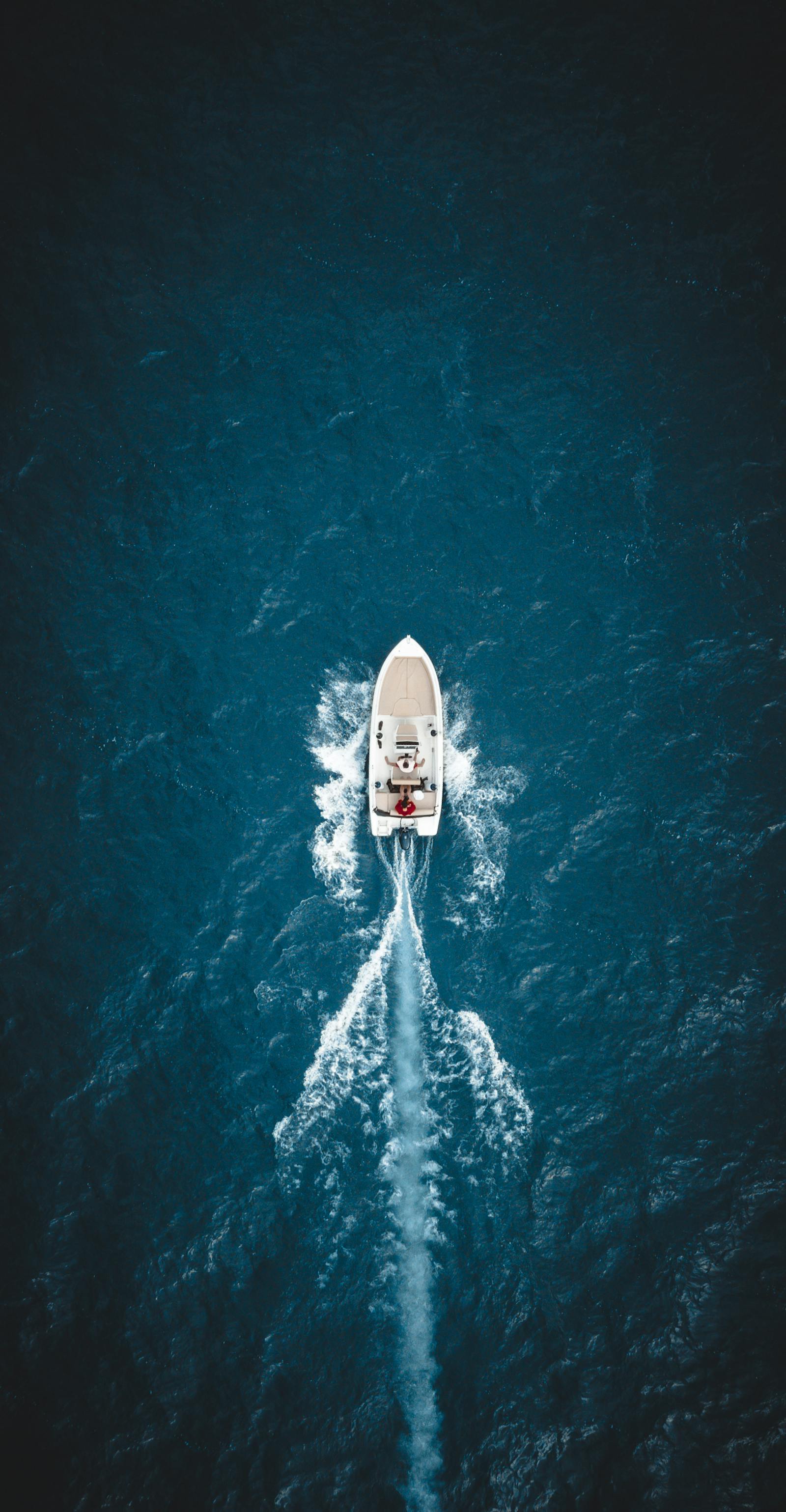
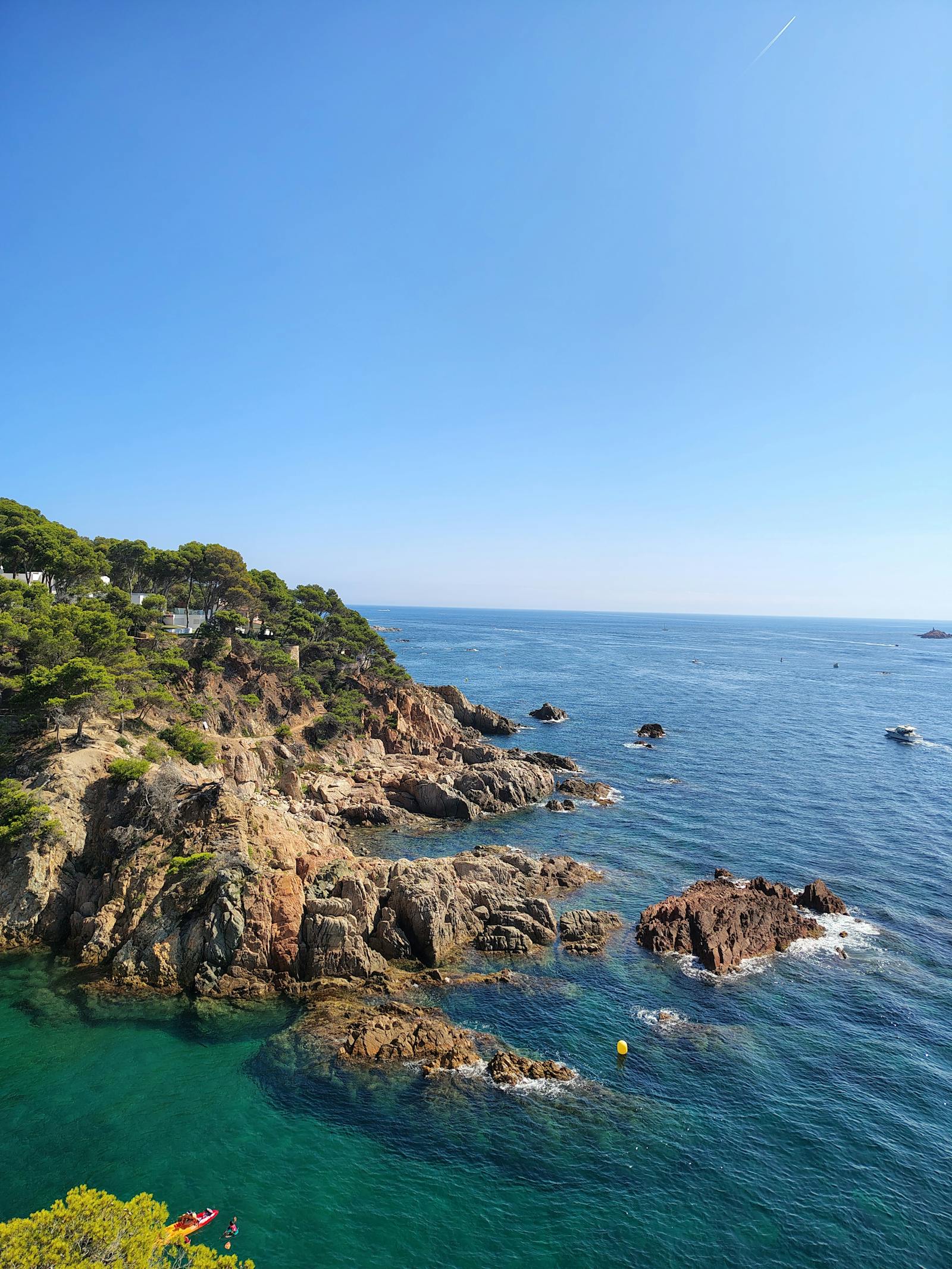
From the water, the EDRO III reveals a completely different character. The hull looks impossibly large—a true cargo vessel now vertical against rock, with rust patterns and impact scars visible in detail as the boat circles slowly. The captain typically cuts the engine to a crawl within 50 metres of the wreck, close enough that you can see individual rivets, the texture of decades of corrosion, and the way the metal has fused with barnacles and sea growth. Spray from waves hitting the hull reaches the boat’s deck, so everyone aboard gets a salt bath and the electric feeling of proximity to something still somewhat dangerous. The water here is darker than at Coral Bay—deeper, colder, with currents that the captain navigates with quiet authority.
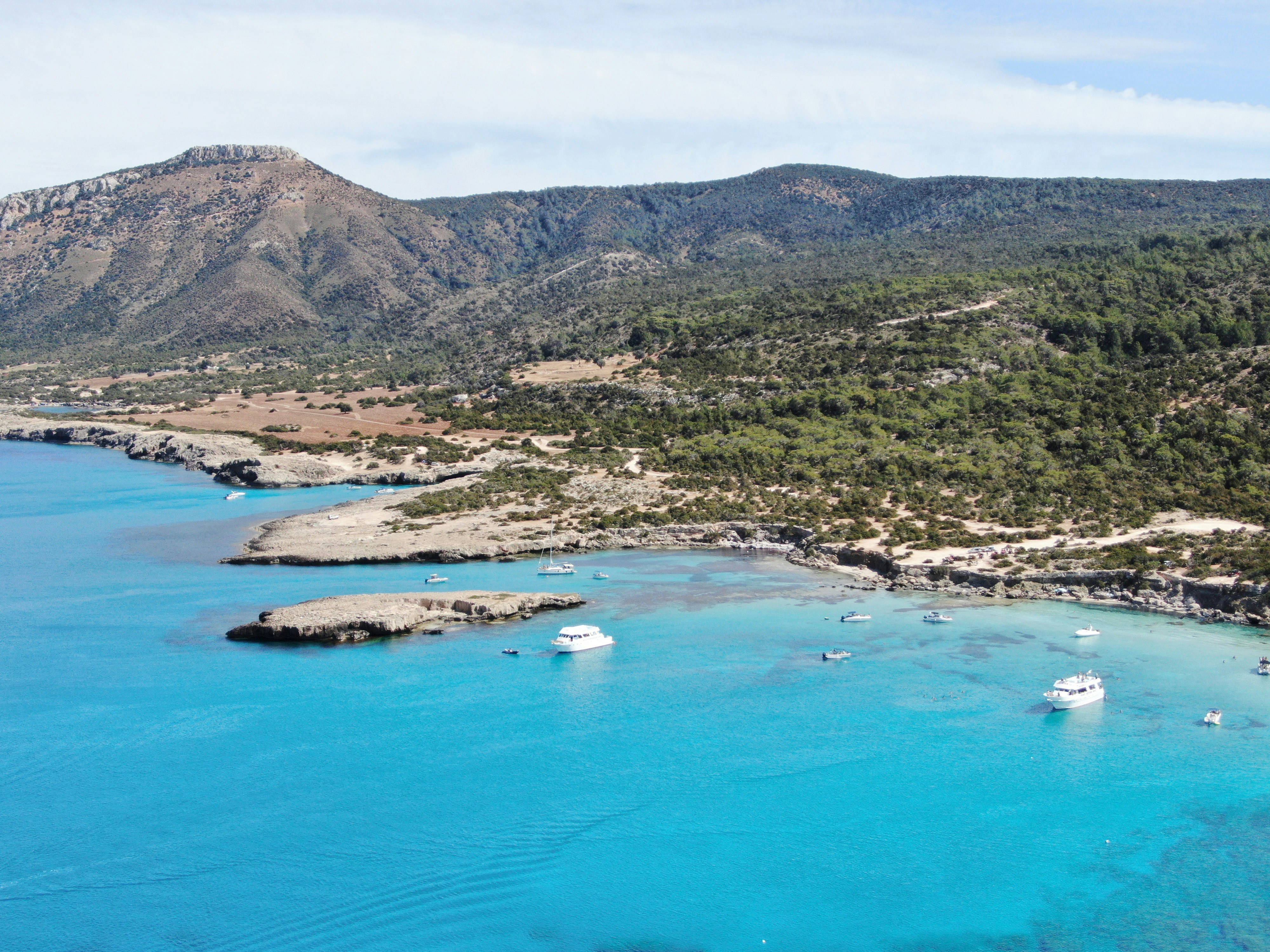
Most tours continue south toward the Sea Caves after the EDRO III circuit, hugging the cliff face and showing the caves from water level—a perspective that reveals their true scale and the intensity of light they capture. The final stop is usually at a protected cove for swimming in water so clear you can see the sand twenty feet down. The caves amplify the sound of waves and voices, creating an almost sacred acoustic quality. On the return journey to Coral Bay, the boat typically slows again where the wreck is visible in the distance, and by this point the light has often shifted to golden tones that backlight the hull. The journey back feels gentler somehow, the same route transformed by the changing light and the accumulated experience of the tour.
Good to know
- Book directly with the operator by phone at least 24 hours ahead in summer—direct booking lets you request extras like a slow circle around the EDRO III hull or an extended cave visit, and operators appreciate the courtesy of advance notice.
- Bring a dry bag or waterproof phone case—spray near the wreck will definitely reach the deck, and the salt water can damage electronics quickly if they come into contact.
- Request a 4 pm departure in shoulder season for the best light on the wreck and cliffs. Summer departures can be earlier (10–11 am) to avoid afternoon heat on the water, but the light quality is different.
Plan & practicalities
[plan]
Options
The EDRO III area works as a short sunset visit (1–2 hours at the cliff-edge viewpoint), a longer coastal walk combining the wreck and Sea Caves (3+ hours on foot), or a boat cruise from Coral Bay that covers both from the water (2–4 hours). Photographers and couples tend to prefer the cliff walk; families with younger children usually opt for the boat, which requires less physical effort and includes swimming stops. All three can be combined across a full day—an early boat tour from Coral Bay in the morning, lunch at the villa, then a sunset walk to the viewpoint and partway along the coastal path.
[/plan]
[plan]
When to go
The cliff-top walk and viewpoint are accessible year-round, though summer afternoons can be uncomfortably hot on exposed rock where there is no shade. May to October offers the warmest water for boat tours and swimming in the Sea Caves. Autumn and spring mornings (September–May) give the gentlest conditions for the coastal walk, with cooler air and more stable footing on sun-softened limestone. For sunset photography, check the sunset time for your dates and arrive at the viewpoint at least 40 minutes before—light changes fast once the sun dips toward the horizon, and the best golden tones last only 15–20 minutes.
[/plan]
[plan]
Etiquette & safety
Stay behind the informal barrier stones at the cliff edge—the limestone is undercut in places and can crumble without warning. Do not attempt to climb onto or enter the EDRO III wreck; it is structurally compromised and monitored by local authorities. On the coastal walk, stick to the established path to avoid disturbing nesting seabirds in the cliff faces, particularly during April–June breeding season. On boat tours, follow the captain’s instructions near the wreck—the current and wave action close to the hull are stronger than they appear, and the boat requires careful positioning. Swimming directly near the wreck is dangerous due to sharp metal edges and unpredictable currents; designated swimming stops in the Sea Caves are far safer.
[/plan]
[plan]
What to bring
Sturdy shoes with real grip for the cliff walk—not flip-flops or smooth-soled trainers, which slide on loose scree and polished rock. A light windbreaker for the exposed viewpoint where wind is constant. Sunscreen and a hat for afternoon visits (the rock reflects heat intensely). Binoculars if you want close-up views of the hull detail and nesting birds on the coastal walk. For boat tours: a dry bag, swimwear, towel, and a waterproof phone case. Water—there are no taps or kiosks at the viewpoint itself; the nearest facilities are at Oniro by the Sea restaurant about 200 metres back along the road.
[/plan]
Suggested day plan
Drive to the EDRO III viewpoint around 4 pm, spend 45 minutes watching the light change across the hull and walking the first section of the coastal path toward the Sea Caves. Head back to the car and drive two minutes to Oniro by the Sea for a window table overlooking the coast—order the grilled sea bass and a glass of local Xynisteri. After dinner, the drive back to your Coral Bay villa takes under ten minutes, mostly downhill with the last of the evening light over the water. If you have a full day, add a morning boat cruise from Coral Bay Beach (depart around 10 am, return by 1 pm) and spend the early afternoon at the villa pool before heading out for the sunset walk.